






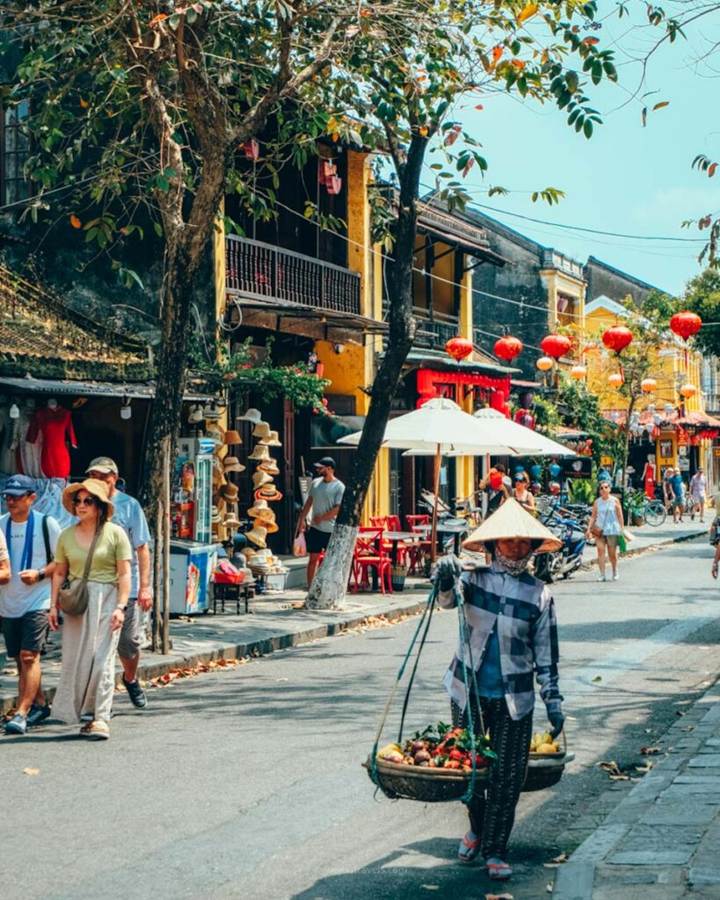

I didn’t come to Vietnam looking for adventure in the dramatic sense. No extreme routes, no ticking off landmarks at speed. What I wanted was space—room to move at my own pace, to follow curiosity without constantly checking whether the next step would be inconvenient.
That intention shaped how I traveled. Short stays turned into longer ones. Cities blended into towns. Days stretched without strict start or end times. I wasn’t chasing highlights; I was letting the journey settle.
It was during this slower kind of travel that I realized something subtle: distance wasn’t the challenge. Uncertainty was.
The Quiet Stress of Not Knowing
Uncertainty doesn’t announce itself loudly. It shows up in small questions that repeat throughout the day. Will this message send? Will the map load before I reach the corner? Should I stop now or wait until later?
None of these moments ruin a trip on their own. But together, they add friction. They make you hesitate. They turn simple decisions into calculations.
At first, I didn’t recognize this as a connectivity issue. I thought it was just part of being in a new country. But the pattern repeated itself—especially when moving outside larger cities, where infrastructure feels more local and less predictable.
Coverage That Changes How You Decide
The shift came quietly. Once I started using an eSIM operating on Viettel’s mobile infrastructure, something changed—not in what I could do, but in how I decided.
I stopped second-guessing. I checked things when I needed to, then moved on. I didn’t wait for “better signal” or plan tasks around access points. The connection was simply there.
That reliability felt like strong 4G/5G coverage with Viettel, particularly noticeable in moments that normally introduce hesitation: unfamiliar neighborhoods, spontaneous route changes, late-day decisions.
Confidence Without Attention
What I appreciated most was that the connection never demanded focus. It didn’t pull me toward the screen. It didn’t turn the phone into the center of the experience.
Instead, it worked quietly in the background. Enough to support decisions, not enough to dominate them.
That balance matters more than it sounds. When you trust that information is available if needed, you don’t feel compelled to constantly check. The result is a kind of calm that lets the environment take the lead.
Travel That Feels Less Managed
In places where tourism infrastructure is lighter, this made a real difference. Local cafés didn’t always have Wi-Fi. Guesthouses closed early. Streets grew quiet faster than expected.
Rather than feeling cut off, I felt grounded. I could confirm details if plans shifted. I could adapt without stress. The trip felt less managed and more organic—guided by observation instead of precaution.
Looking Back
When I think about that time now, I don’t remember specific speeds or signal bars. I remember how fluid the days felt. How decisions came easily. How movement didn’t feel interrupted.
Vietnam has a way of rewarding travelers who stay open and adaptable. Having coverage that supports that mindset—without demanding attention—allowed the journey to unfold naturally.
Sometimes, the most meaningful support is the kind that lets you forget it’s there at all.




Add Comment