




An Island Defined by Contrast
Located off Africa’s southeastern coast, Madagascar offers a mix of environments that’s uncommon even among island destinations. Coral reefs sit close to quiet beaches, while inland landscapes shift quickly into dry forests and open plains. For travelers, this means a single trip can include marine activities, wildlife encounters, and cultural stops without frequent relocation.
Most itineraries begin along the western or northern coastline, where infrastructure is more developed and access to excursions is straightforward.
Coastal Activities and Marine Life
Madagascar’s coastal waters support snorkeling, swimming, and boat trips that are generally suitable for beginners. Reef excursions are typically organized in small groups and last a few hours, focusing on shallow coral systems close to shore. Depending on location and season, visitors may see reef fish, sea turtles, and other marine species.
These outings are easy to integrate into half-day schedules, leaving time for rest or beach activities later in the afternoon. For travelers who prefer lower-effort experiences, many beaches also offer calm swimming areas and short island-hopping trips.
Inland Excursions and Wildlife Encounters
Moving inland introduces a different environment shaped by dry forests and protected reserves. Guided day tours often focus on Madagascar’s unique wildlife, including lemurs and chameleons that exist almost exclusively on the island. Walking routes are usually adapted for a range of fitness levels, making them accessible for most visitors.
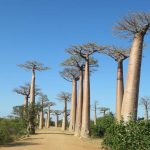
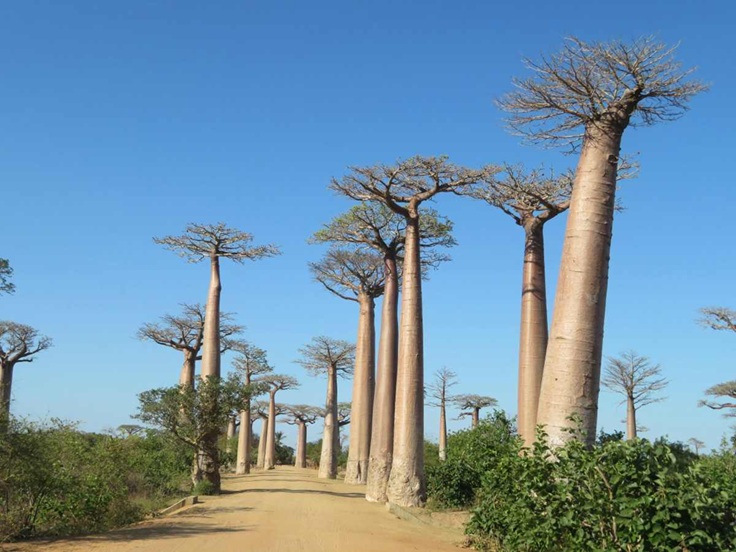
Baobab groves are a common highlight and are often paired with stops in rural communities. These visits provide context on local agriculture and daily life without requiring full-day commitments.
Because distances can be significant, organized excursions are generally the most practical way to explore these areas.
Everyday Culture and Local Communities
Madagascar’s towns and villages operate around fishing, farming, and small-scale trade. Local markets sell produce, spices, and handmade goods, serving residents first and visitors second. These spaces offer a clear view of how communities function day to day.
Cultural encounters tend to be informal — short walks through neighborhoods, brief conversations with shop owners, or visits to small workshops. These moments often fit naturally between planned activities and don’t require structured tours.
Food and Daily Rhythm
Meals in Madagascar’s coastal areas typically center on seafood, rice, and locally grown vegetables. Resort restaurants often balance regional dishes with familiar international options, making dining flexible for different preferences.
Daily routines follow climate patterns. Mornings work best for excursions when temperatures are lower, afternoons are usually reserved for rest or beach time, and evenings are quiet and centered around dinner. This rhythm supports steady pacing and helps avoid over-planning.
Best Time to Visit and Practical Planning
The dry season, roughly from May to October, is generally considered the most reliable period for travel. Roads are more accessible, wildlife viewing improves, and humidity is lower. The wet season, from November to April, brings heavier rain and occasional cyclones, especially in coastal areas, which can affect transport and excursion availability.
Planning around these seasons makes a noticeable difference in how smoothly a trip unfolds. Accommodation and Travel Logistics
Most travelers choose to base themselves along the coast and organize excursions from there. Tourism infrastructure is strongest in these regions, making it easier to arrange marine outings, wildlife visits, and transportation.
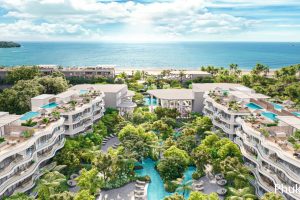
For those who prefer predictable logistics, staying at an all inclusive beach resort in Madagascar can simplify planning by combining accommodation, meals, and excursion booking in one place. This setup reduces daily coordination while still allowing access to guided inland trips or coastal activities. It’s a practical option for first-time visitors or families who want a consistent base.
From these coastal hubs, travelers can join reef excursions, reserve wildlife tours, or explore nearby towns without managing complex schedules.
A Destination Built on Variety
Madagascar doesn’t rely on a single attraction. Its appeal comes from how different environments connect: coral reefs near forested interiors, quiet beaches alongside working villages, and organized tourism balanced with everyday life.
For travelers who value variety within a manageable framework, Madagascar offers a practical mix of outdoor exploration and coastal comfort. Whether spending time on the water, visiting baobab-lined landscapes, or observing daily routines in small towns, the island supports a structured yet flexible travel experience shaped by geography and local rhythm.


Add Comment